ReWeavers: views from those making it happen
A regular Q&A feature of invited guests who bring inspiration, insight and experience across the diverse range of expertise needed to bring forgotten assets back to life. If you would like to take part drop me a line.
2# ReWeaver: Richard Goldthorpe @ The National Trust
Richard Goldthorpe is Head of Placemaking & Design at the National Trust and a Chartered Landscape Architect. His work focuses on helping places adapt and thrive through change, bringing together nature recovery, heritage, access, community needs and long-term stewardship. He is particularly interested in how we can reimagine existing places in ways that respect their past and reveal their stories while creating new value for people and nature.
What is your favourite ReWeave project and what makes it special?
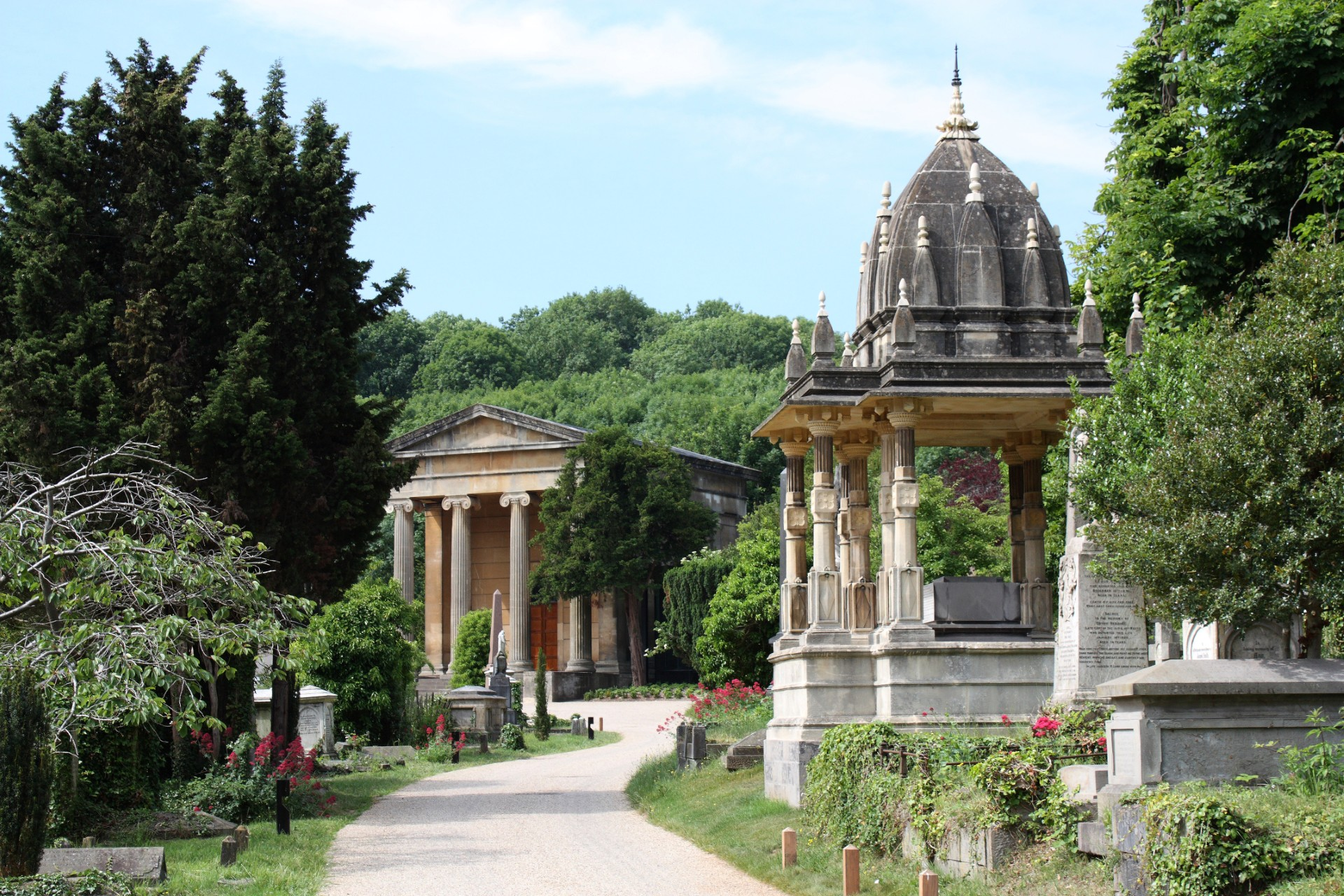
One project that has always stayed with me is Arnos Vale Cemetery in Bristol. I was closely involved with the project earlier in my career and it remains one of the best examples I know of how a place can be reimagined without losing its identity. At its heart, Arnos Vale is still a working cemetery. That fundamental purpose has never been abandoned. What makes it special is the way new layers of activity and meaning have been woven into the site over time. It is a place for funerals, remembrance and quiet reflection, but it is also a place for nature, learning, weddings, craft fairs, community events, outdoor cinema and even comedy nights. Different people come for different reasons, but they all develop a connection with the place. Rather than competing with one another, these uses reinforce each other. They bring life, relevance, income, stewardship and community ownership. The cemetery remains central to the site's identity, but it is supported by a much broader network of people who value and care about it. For me, that is one of the most powerful lessons in placemaking. Successful places rarely do just one thing. They are richer, more resilient and more meaningful when they can support multiple activities, communities and experiences simultaneously. ReWeaving is often less about finding a new use and more about creating the conditions for many uses to coexist.
What is the biggest challenge for ReWeave projects?
The biggest challenge is often helping people move beyond the idea that places must either be preserved exactly as they are or radically reinvented. In reality, the most successful projects sit somewhere in between. They build on what already exists while creating opportunities for new forms of activity and value to emerge. That can be difficult because different stakeholders often care about different things. Some prioritise heritage, others nature, others community benefit or financial sustainability. The challenge is not deciding which matters most, but finding ways for them to strengthen rather than undermine one another. The best ReWeave projects recognise that places are complex systems. Success comes from embracing that complexity rather than trying to simplify it away.
What is the most important element to make a ReWeave project a success?
Creating a shared vision of what should endure and what can evolve. Every place has qualities that people value, whether that is its history, landscape, purpose, character or role in the community. Successful projects identify those qualities and use them as the foundation for change. From there, the opportunity is to create additional layers of value. New uses, new partnerships and new audiences can all help a place remain relevant and sustainable. The most successful projects are often those that create multifunctional places where people, nature, heritage and enterprise all find space to thrive.
Looking ahead, what systemic changes would you like to see to support ReWeave projects?
I would like to see more recognition of the value that multifunctional places create. Many funding and governance systems still encourage projects to focus on a single outcome or sector. In reality, the most successful projects often deliver many benefits at the same time. They support biodiversity, heritage conservation, community wellbeing, education, culture and economic activity simultaneously. I'd also like to see more support for long-term stewardship. ReWeaving is rarely a one-off intervention. It is an ongoing process of adaptation, learning and care. We need funding, policy and governance arrangements that recognise that places continue to evolve long after a capital project has been completed.
What bit of advice, future insight or reflection would you pass on to someone leading a ReWeave project?
Start by understanding the place before trying to solve it. Spend time learning how it works, how it evolved, what people value about it and what possibilities might already exist beneath the surface. Often the answer is not to replace what is there, but to build upon it. I'd also encourage people to think beyond single uses and single outcomes. Some of the most successful places are those that mean different things to different people. The more opportunities you can create for connections, activities and experiences to overlap, the more resilient the place is likely to become. Ultimately, ReWeaving is about stewardship. It is about helping places continue their story rather than writing an entirely new one.
1# ReWeaver: Duncan Laird @ ReWovenPlaces.Org
What is your favourite ReWeave project and what makes it special?
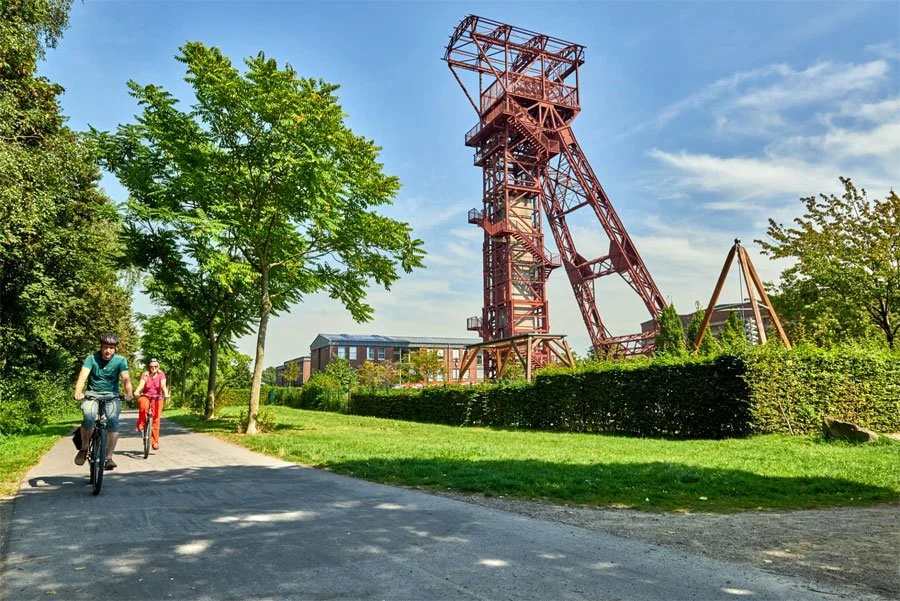
Crikey, this is a tough one to narrow down. From a personal perspective I’m very fond of Castlefield Viaduct Sky Park as I played a leadership role in making it happen with the National Trust. The project is a great blend of nature, history and culture and has community and partnerships at its very core. A core intent was to create a platform for others to activate in a safe way, this enabled smaller organisations and community groups to have a voice and presence on the viaduct. At an international level the Landschaftspark Duisburg-Nord in Germany is very special. A massive public park built around a disused ironworks, combining rusting mine infrastructure with walking and cycling trails, an alpine climbing garden, and a giant artificial diving tank. A project that again does a superb job of blending history, nature, culture and community delivering public and environmental benefit.
What is the biggest challenge for ReWeave projects?
The biggest challenge for me is that most projects have front loaded risk that needs to be owned and addressed before any real progress can be made. If you acquire an unloved asset or place you also acquire the liabilities and need to ensure the asset is safe and protected from day one. You also need skills and experience to turn something with potential into a viable and sustainable enterprise that meets the desired vision and business case. This is hard enough for experienced organisations and developers, when in reality many ReWeave projects are initiated and championed by small, community groups with limited expertise with a high reliance on volunteers and goodwill. More support is definitely needed at the front end of an adaptive reuse project to give time, expertise and a safety net to figure things out.
What is the most important element to make a ReWeave project a success?
Simply, a compelling vision of what you want to achieve with a clear plan to get there. I’ve found that being vision led is super important both to get initial buy-in and support, but also to give a clear north star of what good looks like in terms of outcomes. The plan is important to ensure there is a realistic way forward but conversely don’t let the naysayers grind you down, if you and others believe in your vision, crack on!
Looking ahead, what systemic changes would you like to see to support ReWeave projects?
One of the unintended consequences of some ReWeave projects is that they can lead to notable gentrification in surrounding areas, pushing people out due to cost of living increases and outpricing others from moving in. A balance needs to be struck to prevent this from happening, which will require a broader system approach at a place level, bringing in relevant partners from the private, public and third sectors. Core to this will be local public and municipal authorities with policy, development and taxation powers. It’s a super knotty issue and definitely one that requires alligned solutions at a strategic as well as local place level.
What bit of advice, future insight or reflection would you pass on to someone leading a ReWeave project?
Revel in and celebrate the inevitable complexity of ReWeave projects. If it was simple and straightforward it would be boring!