
Spotlight: More Than A to B
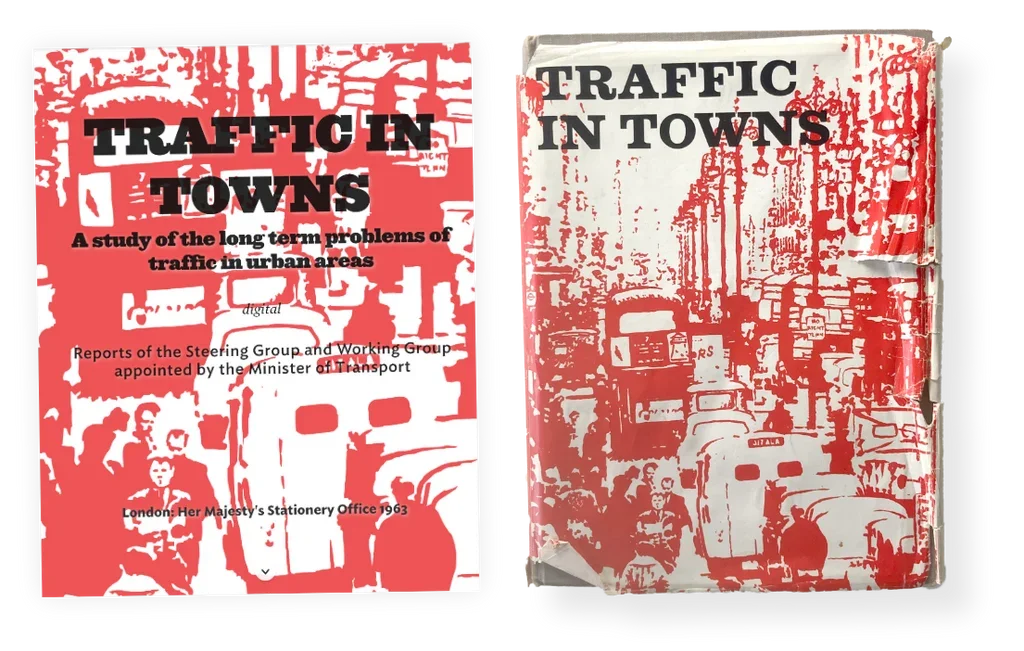
Back in the 60s and 70s, the UK city scape was shaped in part by the construction of sprawling, multi layered concrete road and highway infrastructure, codified in the infamous 1963 Traffic in Towns - The Buchanan Report. Large multi lane highways, overpasses, underpasses, roundabouts and precast bridges all hewn out of grey concrete became ubiquitous and intrusive in urban centres. The Buchanan approach very much favoured function over form, creating hulking road capacity as a priority to cater for the massive boom in private car ownership, often at the expense of surrounding people and place.
Recently, the approach to transport design has evolved. Increasingly, new transport infrastructure is seen as an opportunity for place making and amenity beyond travelling from A to B. Opportunities are greatest for walking and cycling given the slower pace and direct connection of the traveller with the physical environment. The Walk Wheel Cycle Trust have been doing some great thinking in this space as well as charities such as Living Streets.
Likewise, there are a host of adaptive re-use projects that are reimagining unloved assets and transport infrastructure and with place making, amenity and movement benefits in mind. By diversifying functions and stacking benefits projects are often more resilient and responsive to change and can access a wider range of funding and investment opportunities, therefore supporting long term sustainability.
Check out a few relevant case studies below and explore more on the Inspiration map:
1. New York Highline, New York, USA
The West Side Elevated Line was built in 1933 for trains that carried millions of tons of meat, dairy and produce every year between buildings in New York City. Following decline in the latter part of the 20th Century the highline was at risk of demolition. Fortunately, in 2003 the Friends of the Highline group started a campaign the ultimately has seen the High Line rejuvenated into a 1.45 mile long greenway and world-renowned destination.
2. The Rail Park, Philadelphia, USA
The Reading Viaduct opened in 1893 in the Callowhill district of Philadelphia, Pennsylvania supporting industrial growth in the city until closure in the 1980s. In 2010, a new community organization, Friends of the Rail Park, began to evaluate options to convert the abandoned viaduct into an elevated park and greenway. Phase 1 of the park successfully opened in 2018 and there is an ambistious vision to extend the initiative to connect communities along a 3 mile stretch.
3. Bennerley Viaduct, Derbyshire, UK
Bennerley Viaduct is a former Victoria railway viaduct built in 1878 spanning 433m. It closed to trains in the 1960s and then suffered a period of structural decline. Fortunately, a local community group - The Friends of Bennerley Viaduct - campaigned and successfully fundraised to secure a future for the ‘Iron Giant’. The viaduct opened to the public in as part of a cycling and walking route and a destination with visitor facilities and nature improvments in January 2022.
4. Castlefield Viaduct, Manchester, UK
Derelict since the 1960s, the 330m Castlefield Viaduct was transformed into a ‘Sky Park’ by the National Trust in partnership with the local community and the Historic Railways Estate. Currently the park is a dead end but the future vision seeks to extend the project with a 1km through route connecting communities in Greater Manchester as part of the broader Cyan Lines initiative.
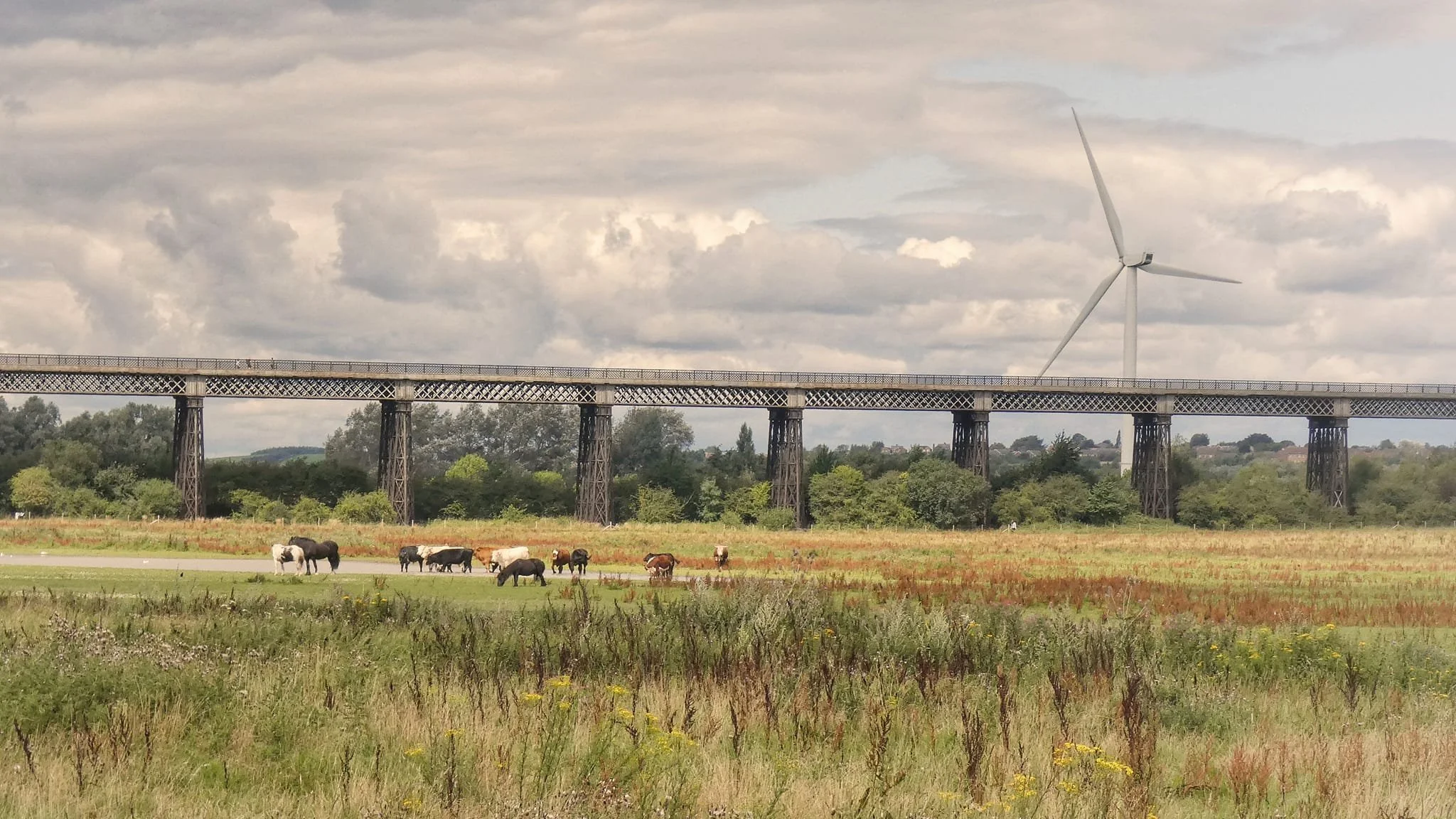
Bennerley Viaduct
